
UAV Pilot Training Course
Explore our range of services designed to help you move forward with confidence, wherever you're headed next.
What We Offer
Silvertone has developed our UAV Pilot Training Course course for 12–16 trainees in one cohort, primarily focused towards defence and emergency services organisations. Delivery is subject to agreed dates, resource allocation and clarification of student qualification standards and the required aircraft weight limit. No prior knowledge is mandated.
This course takes approximately three months, combining RePL foundations, simulator exercises and supervised flight training: sub-2 kg multirotor and fixed-wing aircraft, a 7–10 kg fixed-wing intermediary, then Flamingo MK3 training within the sub-25 kg class. Fixed-wing operations will use a suitable airfield; the venue and detailed timetable remain to be confirmed.
The proposed progression extends beyond the 7 kg limit and includes runway-based fixed-wing training. Accommodation can be arranged by Silvertone through external providers; costs and booking terms are subject to agreement.
COURSE OUTLINE:
Basic Course
RPAS foundations: System components, terminology, operating concepts and limitations.
Rules and airspace: Relevant Australian operating rules, airspace, local procedures and permissions.
Meteorology: Weather interpretation, local effects and operational decision-making.
Mission planning: Site assessment, route or area planning, risk controls and briefings.
Human factors: Situational awareness, workload, communication, fatigue and crew coordination.
Ground operations: Pre-flight preparation, checks, system setup, launch and recovery procedures.
Flight operations: Normal handling, positioning, navigation, circuit work and mission tasks.
Abnormal situations: Lost link, degraded systems, weather changes, emergency actions and incident reporting.
Assessment: Knowledge checks, practical assessment and documented course results.
Course Schedules: Aeronautical Theory; Aeronautical Practical; Multirotor Theory; Multirotor Practical, Common Units - Theory; Common Units - Practical
Procedure Management
Responsibilities and documents: Crew roles, fitness for duty, flight authorisation, checklists and access to current manuals.
Flight planning: Site assessment, Job Safety Assessment (JSA), risk matrix, Emergency Response Plan (ERP), Concept of Operations (CONOPS) and crew briefing.
Record keeping: Aircraft status, defects, maintenance, flight authorisation, planned/completed flights and role-time records.
Safety and maintenance reporting: Reporting incidents, safety concerns and defects; maintenance and defect-closure responsibilities.
Storing and retrieving flight plans: JSAs, ERPs, CONOPS and training records.
GCS operation
Aircraft and ground-station assembly, configuration, limitations and checks.
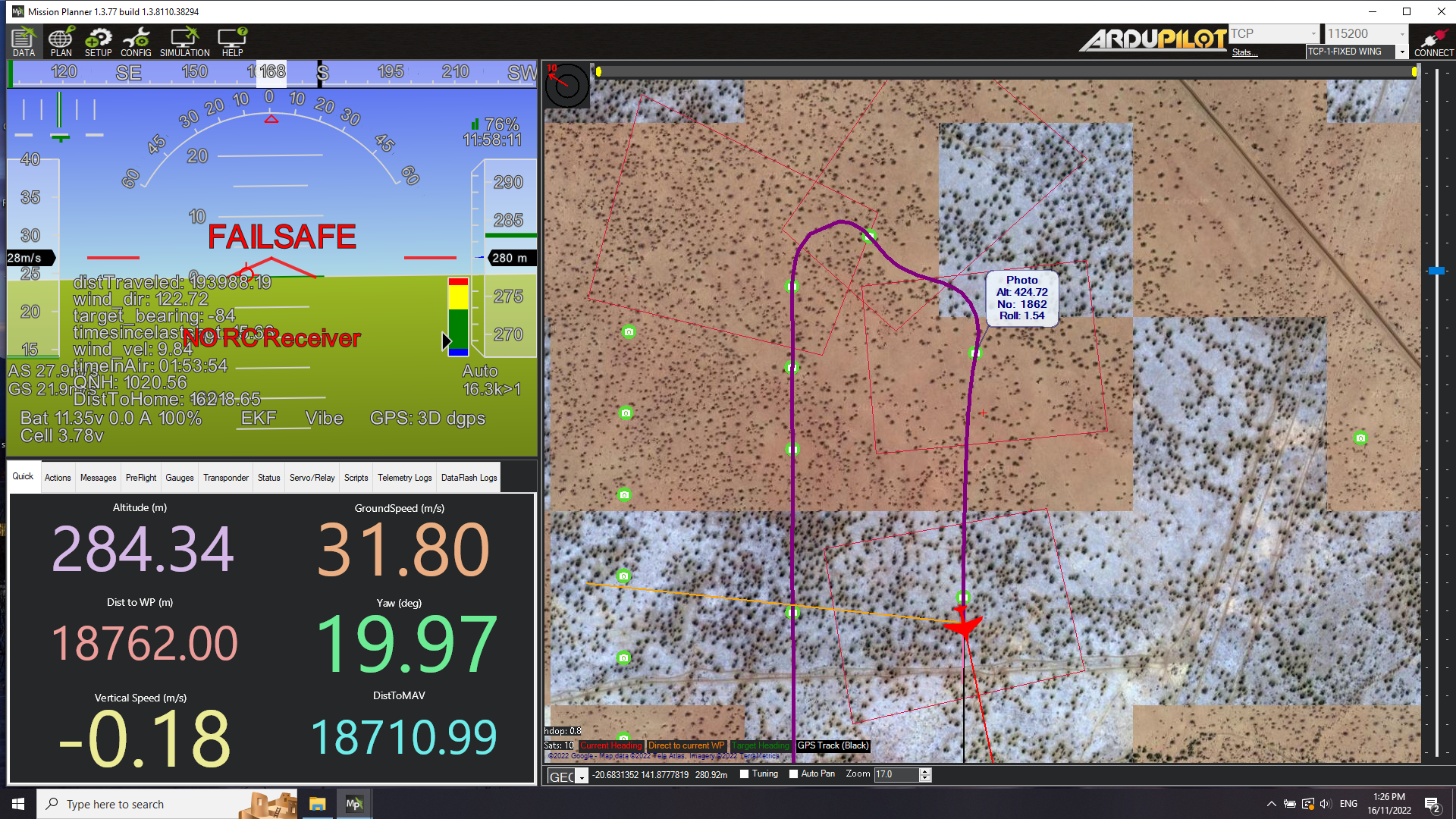
Autopilot programming, mission preparation and autonomous flight operation.
Crew responsibilities, control handovers, communications and flight monitoring.
Emergency procedures, maintenance requirements and defect reporting.
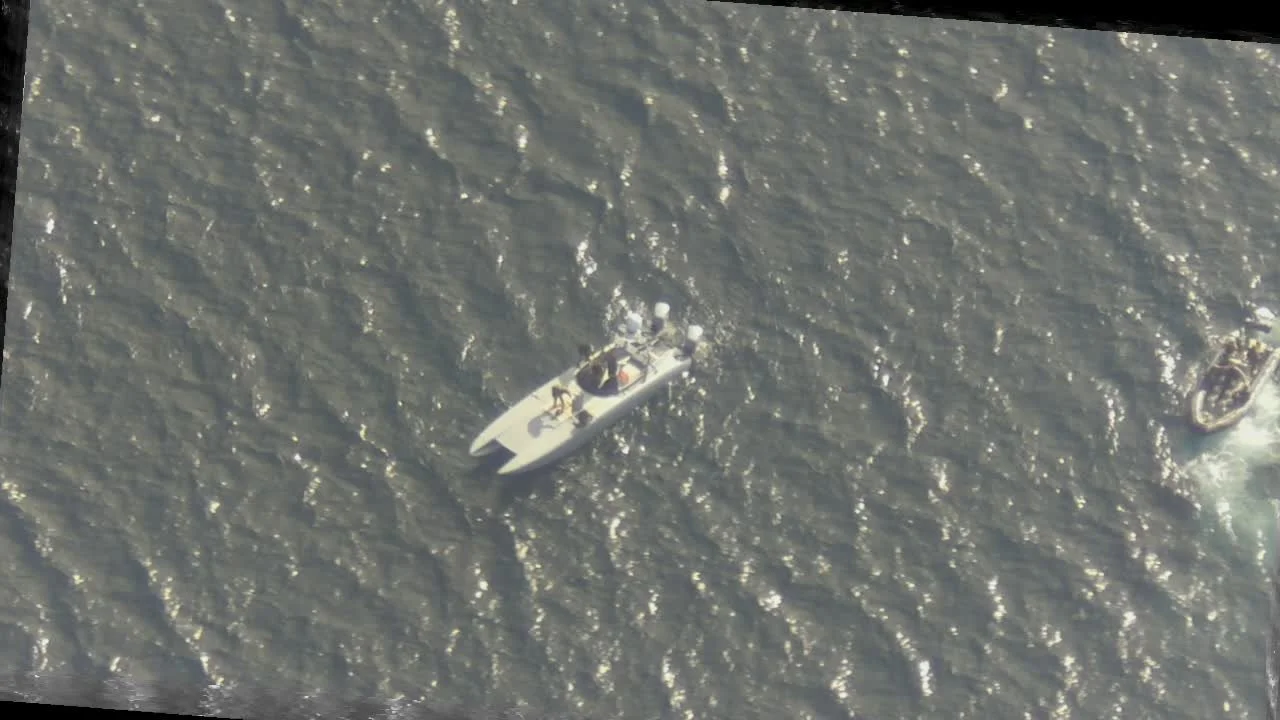
EO/IR Sensor Operation: Target detection, tracking, and surveillance operations (in both EO and IR)..
Note: The CRP or Flamingo Type Specialist delivers this part of the course. Assessment uses the type-course quizzes and demonstrations of operational knowledge and crew procedures.
Safety/Reserve pilot Duties
Aircraft and transmitter checks, limitations, emergency procedures and handovers.
Manual handling, including controlled box patterns and figure-eight manoeuvres.
At least three safe takeoffs and landings, assessed during live flying.
Note: The CRP or a nominated External/Sticks pilot delivers and assesses this training. GCS operator and safety-pilot results are recorded separately. Students receive further practice and reassessment where needed.
Training Assumptions:
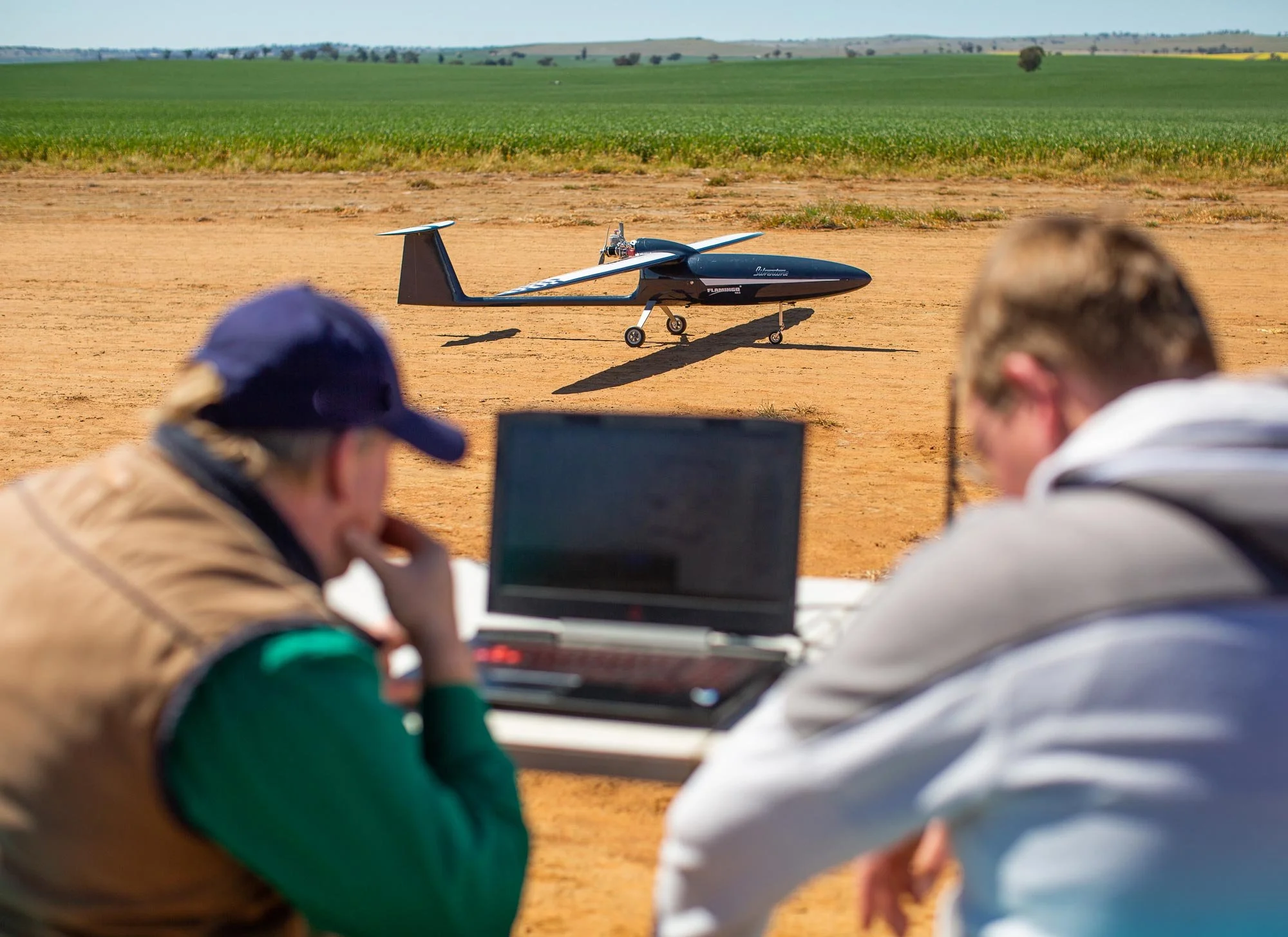
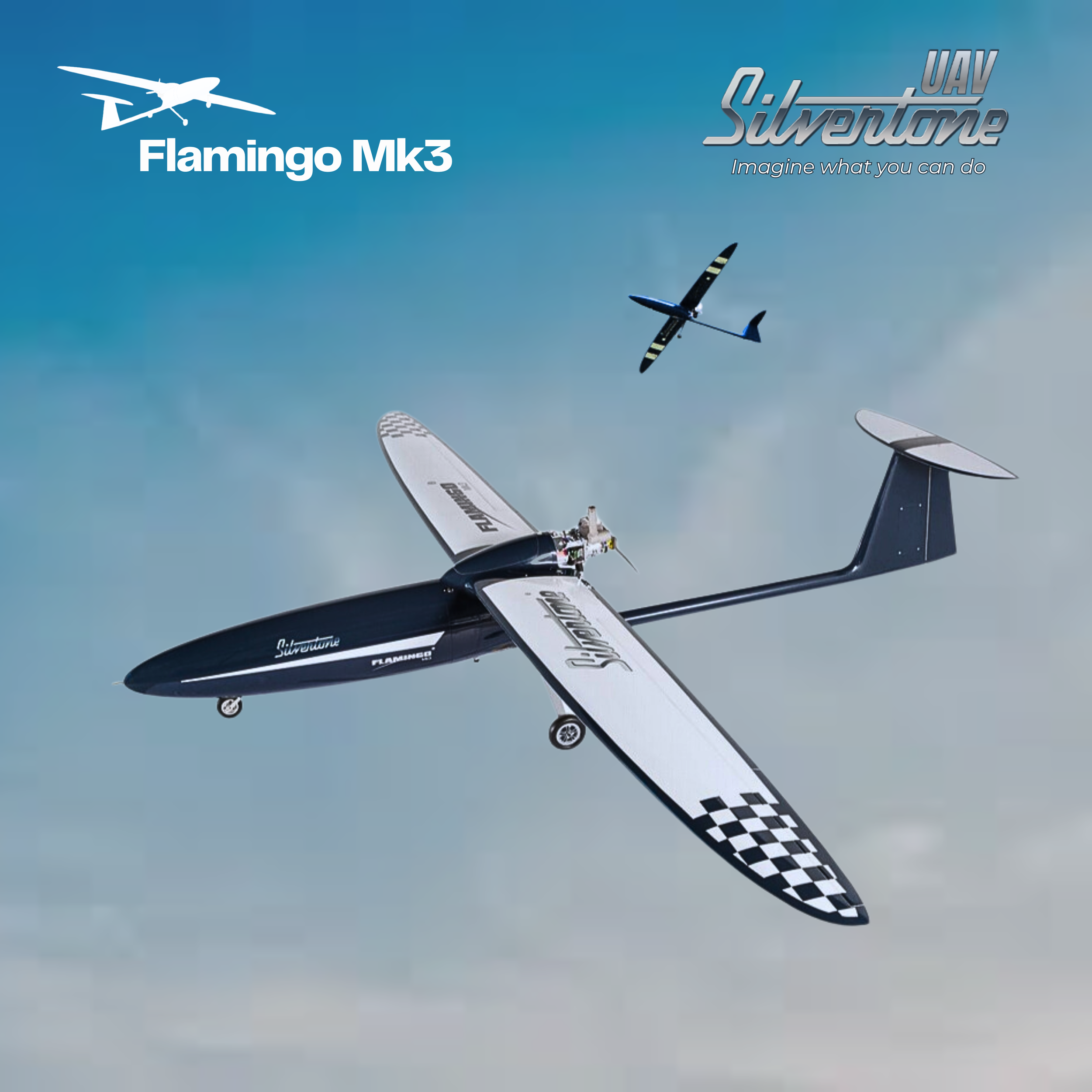
The course will use unmanned aircraft, with trainees progressing from sub-2 kg multirotor and fixed-wing aircraft through a 7–10 kg fixed-wing intermediary to the Silvertone Flamingo MK3 within the sub-25 kg class.
Initial training will use sub-2 kg multirotor and fixed-wing aircraft. Further fixed-wing training will use a 7–10 kg intermediary before the Flamingo MK3 within the sub-25 kg class.
Training will cover the available operating modes on each selected platform. The intended mix includes manual and autonomous flight on suitably equipped aircraft, with manual RC fixed-wing handling in the early stage. The mode capability of the 7–10 kg intermediary will be confirmed in the aircraft schedule.
Multirotor training will include vertical takeoff and landing. Fixed-wing practical training is proposed at a suitable airfield using runway launch and recovery.
Simulator training will be provided for both manual and autonomous flight, including simulated faults and emergencies.
Payload training will be provided in both simulated environments and in real life with the Flamingo MK3.
Silvertone will provide the proposed syllabus, courseware and student materials for review before delivery.
Silvertone can provide training for cohorts of 12–16 trainees. Final numbers must be confirmed in advance to plan instructors, aircraft rotations, accommodation and transport. Silvertone can arrange accommodation with external providers if required, for a further cost.
The timetable will include weather and reassessment buffers. When conditions prevent live flying, suitable simulator or classroom activities will be brought forward and live exercises rescheduled. Required live-flight competencies will still be completed; the dated plan will confirm the available contingency.
Training is staged and trainees cannot progress without passing the relevant stage. Targeted instruction and reassessment will be provided following failed or marginal performance. Warning triggers, permitted attempts and escalation or withdrawal decisions will be agreed with student pilots and their point of contact, as required.
Theory lessons are limited to ten trainees per instructor; two instructors will support a cohort of 12–16. Practical flight instruction will be one-to-one. Simulator practice may be unsupervised where appropriate, but progression checks will be assessed and recorded by an instructor. The course roster will be confirmed before delivery.
Silvertone will provide suitable classrooms, briefing areas, operating areas and facilities.
Silvertone will provide serviceable aircraft, maintenance support, consumables, spares and technical support for the agreed training program. Aircraft availability and contingency arrangements will be set out in the delivery plan.
Silvertone is responsible for regulatory compliance. Practical training will occur under our ReOC in accordance with our company procedures.
Silvertone’s operational procedures require JSAs, emergency response plans, and incident reporting via our Safety Management System. Students operating under our ReOC will be trained on these procedures and required to comply.
Silvertone has relevant insurance. Current certificates, cover limits and confirmation that the proposed training activities are covered will be provided for review before delivery.
Silvertone will retain all training records in accordance with our company procedures, and can provide relevant records to relevant authorities upon request.
Silvertone will provide weekly progress updates in the agreed format. Safety concerns and material performance issues will be raised promptly with the student pilot’s contact, with actions and follow-up recorded.
Proposed outcome: CASA-endorsed RePL with sub-25 kg fixed-wing endorsement and staged aircraft training culminating in Flamingo MK3 type training.
Prior Knowledge:
The course will assume no prior knowledge. Aerodynamics, meteorology and other foundation aviation subjects are covered in the RePL course material. Prior knowledge will be considered when planning instruction.
BASIC COURSE COST:
Starts at A$30,000 per student (minimum of 12 students per group):
Additions:
Accommodation packages are available: please contact us if you would like to discuss.
Subscription to Silvertone simulator and GCS software. Each A$250 per year or A$30 per month.
Laptop computers pre-loaded with required software are available for international students to use out-of-hours: call to discuss options, including retention of the laptop upon course completion. Price includes one year subscription to the GCS and SIM software.